Hydrant Replacement in Denver, CO
Hydrant replacement services involve removing outdated or damaged fire hydrants and installing new units to ensure reliable access to water in case of emergencies. This service covers a variety of projects, including replacing aging hydrants, upgrading to newer models, or relocating hydrants for better accessibility. Homeowners and property owners often request this work to maintain compliance with local safety codes, improve fire protection, or address issues caused by corrosion, leaks, or physical damage.
Before requesting hydrant replacement, property owners should consider the location of existing hydrants, the condition of current units, and any specific requirements from local fire authorities. Understanding the scope of the project, including potential excavation or connection work, can help in planning and ensuring the new hydrant meets safety standards. Clear communication about the property's layout and access points can facilitate a smoother replacement process.
Many property owners in Denver, CO look into Hydrant Replacement for repairs, replacements, upgrades, and appearance-related improvements.
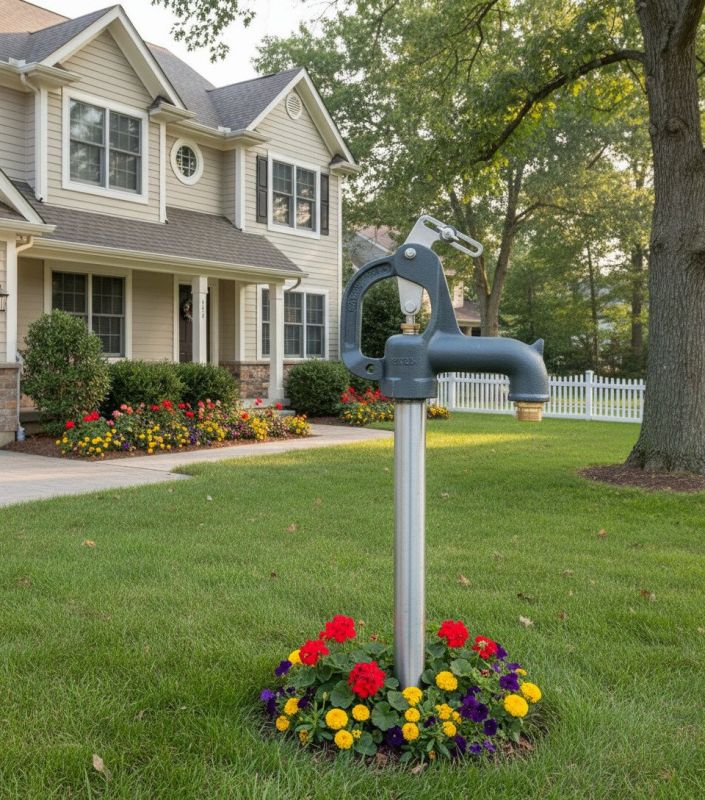
Hydrant Replacement Options
Choosing the right hydrant replacement ensures reliable fire protection for your property.
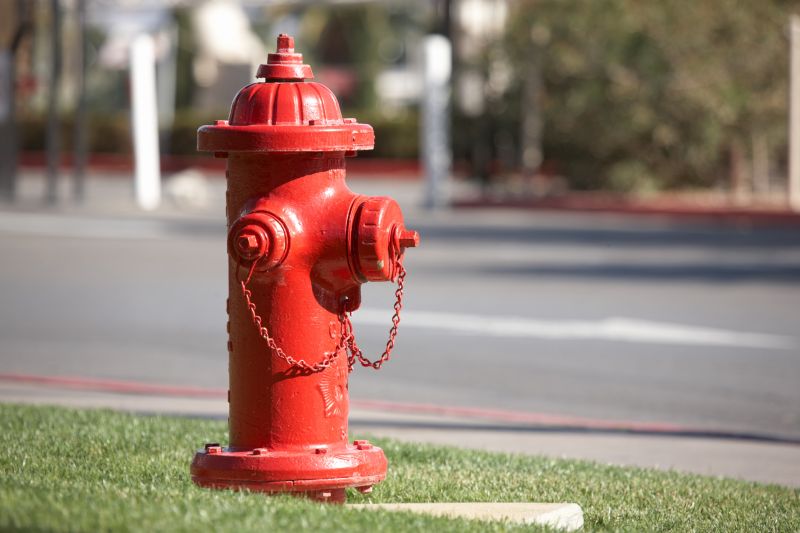
Signs You Need A New Hydrant
Corrosion, leaks, or damage can indicate it's time for a hydrant replacement.
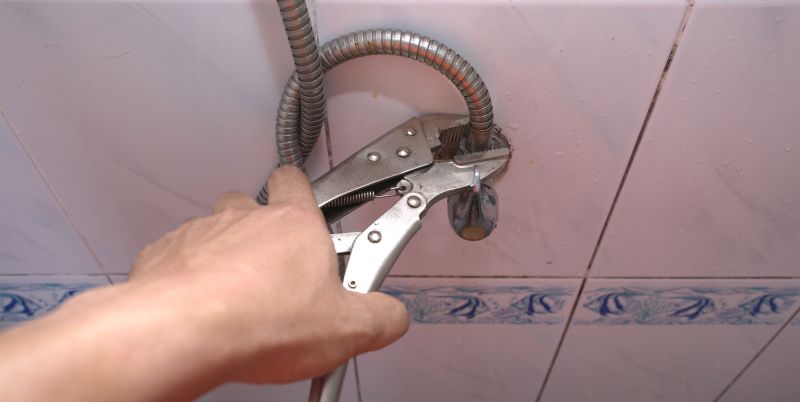
Benefits Of Upgrading Fire Hydrants
Upgraded hydrants improve safety and meet current standards for denver and nearby areas.
Hydrant Replacement in Denver, CO
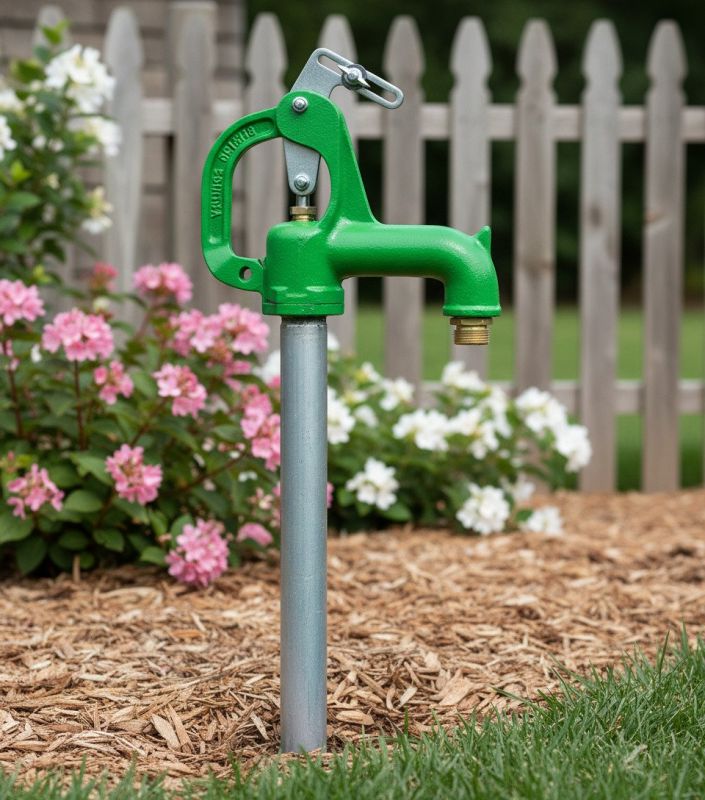
Hydrant replacement services involve removing outdated or damaged fire hydrants and installing new units to ensure reliable access to water in case of emergencies. This service covers a variety of projects, including replacing aging hydrants, upgrading to newer models, or relocating hydrants for better accessibility. Homeowners and property owners often request this work to maintain compliance with local safety codes, improve fire protection, or address issues caused by corrosion, leaks, or physical damage.
Before requesting hydrant replacement, property owners should consider the location of existing hydrants, the condition of current units, and any specific requirements from local fire authorities. Understanding the scope of the project, including potential excavation or connection work, can help in planning and ensuring the new hydrant meets safety standards. Clear communication about the property's layout and access points can facilitate a smoother replacement process.
Many property owners in Denver, CO look into Hydrant Replacement for repairs, replacements, upgrades, and appearance-related improvements.
Common Hydrant Replacement Jobs
Hydrant Replacement services involve removing and installing new fire hydrants to ensure reliable fire protection.
Emergency hydrant replacement addresses urgent issues that could compromise safety and property protection.
Routine hydrant upgrades improve fire flow capacity and meet current safety standards.
Hydrant maintenance and replacement help prevent leaks, corrosion, and operational failures.
Older hydrants may require replacement to meet updated codes and ensure proper function.
Property owners can rely on professional services to maintain optimal fire safety infrastructure.
Hydrant Replacement Questions
Why replace a fire hydrant? Replacing a fire hydrant ensures reliable access for firefighting and helps maintain safety standards on the property.
What types of hydrant replacements are common? Common replacements include upgrading outdated hydrants, fixing leaks, or installing new hydrants to meet current codes and needs.
How can I tell if a hydrant needs replacement? Signs include visible damage, corrosion, leaks, or if the hydrant fails to operate properly during testing or inspection.
What should property owners consider before replacing a hydrant? It's important to assess the location, compatibility with existing water lines, and adherence to local fire safety regulations.
Request Hydrant Replacement in Denver, CO
Use the quote form on this page to share the basics of your project and request more information for the type of work you need.